The species listed below were captured by security cameras in the Amazonasschutz area; photographs were also taken during biologist David Mantilla’s initial visit and surveys in 2022. Subsequently, a four-day field study was planned and conducted from April 14 to 18, 2024, with the aim of identifying the species inhabiting the Amazonasschutz protected area. The team was led by biologist David Mantilla from the Central University of Quito (Ecuador), with the collaboration of Veronica and Christoph Sertl, who participated in field activities such as data collection and the installation of mist nets and camera traps. Species identification was carried out by ornithologist Dr. Jefferson García from the University of Vienna (Austria).
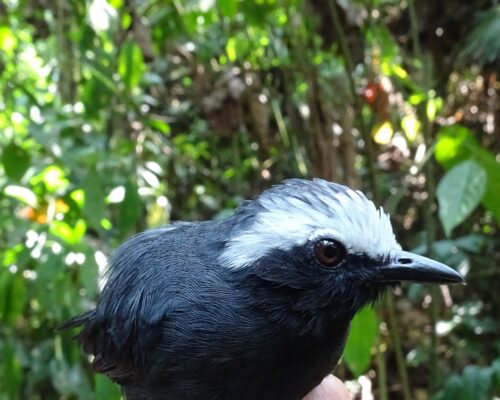
- Scientific name: Myrmoborus leucophrys
- Common name: White-browed antbird or Hormigero cejiblanco (Spanish)
- Class: Aves, Order: Passeriformes, Family: Thamnophilidae.
- Size: 13.5 cm.
- Very few antbirds have a brow stripe as prominent as that of both sexes of this species. It usually moves about in pairs, foraging for food close to the ground.
- Diet: Insects
- Where it was spotted?: near the cave at 1.35 pm on 16 April 2024.
- Species Identification: Jefferson García, 2024.
- Source: Ridgely & Greenfield, Pag, 462, 2006.
- Picture: David Mantilla, 2024
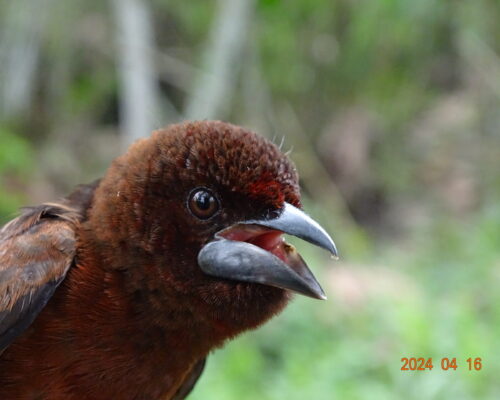
- Scientific name: Ramphocelus carbo
- Common name: Silver-beaked tanager or Tangara Picoplata (Spanisch)
- Class: Aves, Order: Passeriformes, Family: Thraupidae.
- Size: 18 cm
- It is found in populated areas, near lakes and along riverbanks. It moves about in noisy flocks of 4–6 birds and joins mixed flocks with other tanagers.
- Diet: Fruit and insects
- Where it was spotted?: near the cave at 2 pm on 16 April 2024.
- Species Identification: Jefferson García, 2024.
- Source: Ridgely & Greenfield, Pag, 695, 2006.
- Picture: David Mantilla, 2024
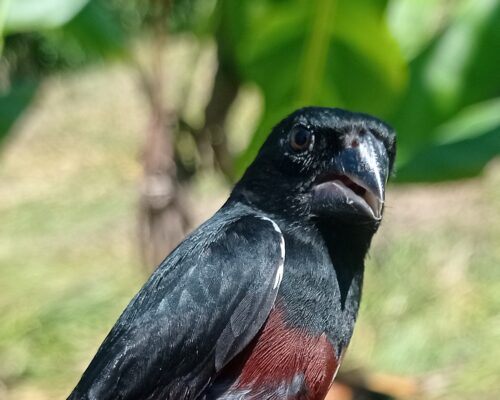
- Scientific name: Sporophila angolensis
- Common name: Chestnut-Bellied seed finsch (Male) or Semillero ventricastaño (Spanish)
- Class: Aves, Order: Passeriformes, Family: Thraupidae
- Size: 18cm
- belonging to the large genus Sporophila, previously classified in the genus Oryzoborus.
- Male: Adult males have velvety black plumage, with a deep crimson throat and breast,
- Diet: fruit, insects, invertebrates
- Where it was spotted?: near to cave and fruit trees at 11.30 am on 14 April 2024.
- Species Identification: Jefferson García, 2024.
- Source: Ridgely & Grennfield, Pag, 719, 2006.
- Picture: David Mantilla, 2024
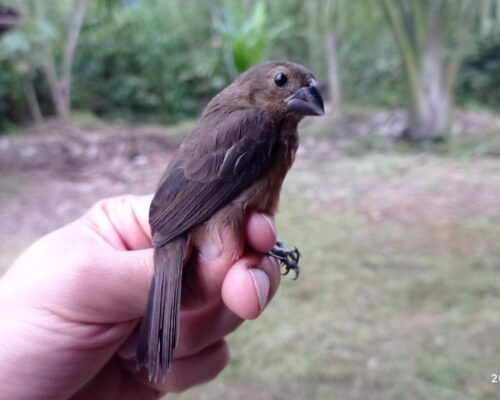
- Scientific name: Sporophila angolensis
- Common name: Chestnut-bellied seed finch (Female) or Semillero ventricastaño (Spanish)
- Class: Aves, Order: Passeriformes, Family: Thraupidae
- Size: 18cm
- Female: The female’s plumage is duller, with a reddish-brown back, brown underparts and a black beak
- Diet: Fruit, Insect, invertebrates
- Where it was spotted?: on the fruit trees at 3 pm at 22 August 2022.
- Species Identification: Jefferson García, 2024.
- Source: Ridgely & Greenfield, Pag, 719, 2006.
- Picture: David Mantilla, 2024
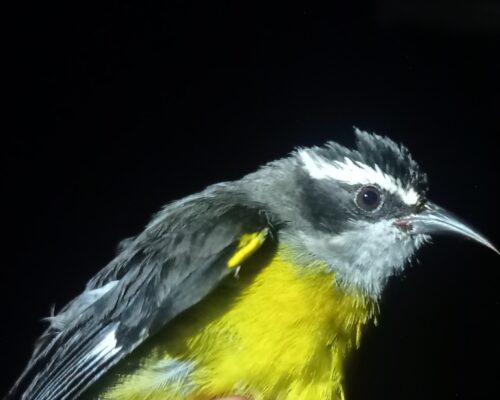
- Scientific name: Coereba flaveola
- Common name: Bananaquit or Mielero Flavo/Platanero (Spanish)
- Class: Ave, Order: Passeriformes, Family: Thraupidae
- Size: 10,5 cm – 11 cm
- This species is often seen gathering with other tanagers and hummingbirds in flowering trees and fruit trees.
- Diet: flower nectar and fruit
- Where it was spotted?: this species was found on the fruit trees at 5:30 pm, on August 13, 2022.
- Species Identification: Jeffeson García, 2024.
- Source: Ridgely & Greenfield, Pag. 657, 2006.
- Picture: David Mantilla, 2024
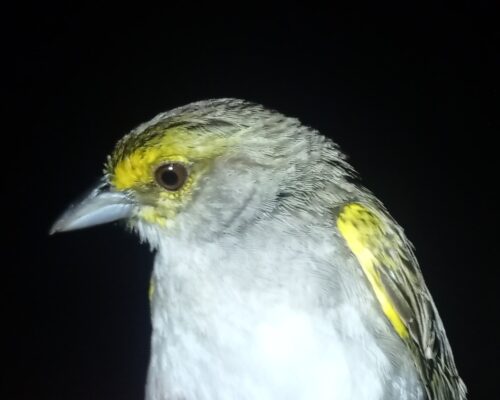
- Scientific name: Ammodramus aurifrons
- Common name: Yelow-browed Sparrow or Sabanero Cejiamarillo (Spanish)
- Class: Aves, Order: Passeriformes, Family: Passerellidae.
- Size: 13 cm.
- The Cejiamarillo grassland bird is usually found alone or in pairs and does not share its grassland habitat with other species.
- Diet: seeds—especially grass seeds, arthropods and insects.
- Where it was spotted?: near the cacao and banana plantation close at 5.30 pm on August 13, 2022.
- Species Identification: Jefferson García, 2024
- Source: Ridgely & Greenfield, Pag. 736, 2006.
- Picture: David Mantilla, 2024
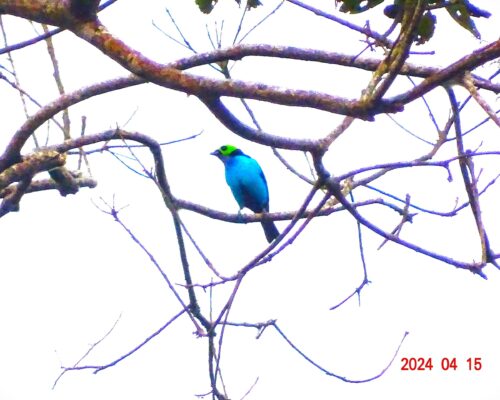
- Scientific name: Tangara chilensis
- Common name: Paradise Tanager or Tangara del Paraíso (Spanish)
- Class: Ave, Order: Passeriformes, Family: Thraupidae
- Size: 14 cm
- It is usually solitary, but mixed flocks sometimes form around it. It is often drawn to fruit trees.
- Diet: fruit, berries and insects
- Where it was spotted?: near the community’s water tanks.
- Species Identification: Jefferson García, 2024
- Source: Ridgely & Greenfliedl, Pag.684. 2006.
- Picture: David Mantilla, 2024
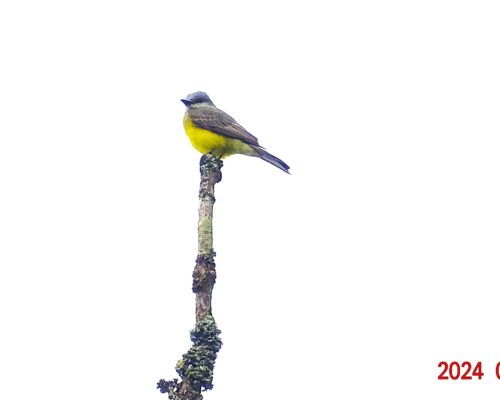
- Scientific name: Tyrannus melancholicus
- Common name: Tropical Kingbird or Tirano Melancólico (Spanish)
- Class: Aves, Order: Passeriformes, Family: Tyrannidae.
- Size: 20 cm.
- The male does not differ from the female in terms of plumage colour. It is characterised by its yellow abdomen. It behaves aggressively to defend its territory against intruders, particularly larger birds such as toucans and caracaras.
- Diet: Insects, which it usually catches in flight and fruit.
- Where it was spotted?: near the water tanks.
- Species Identification: Jefferson García, 2024.
- Source: Ridgely & Greenfield, Pag. 576, 2006.
- Picture: David Mantilla, 2024
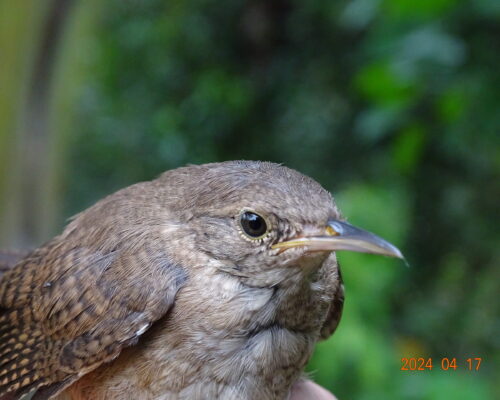
- Scientific name: Troglodytes aedon
- Common name: Hause Wren or Sotorrey Criollo (Spanish)
- Class: Aves, Order: Passerifores, Family: Troglodytidae
- Size: 11,5 cm
- It is generally found in semi-open habitats, around houses and in agricultural areas. It produces pleasant trills, and one can become familiar with its song when it is near the house.
- Diet: Insects and arachnids
- Where it was spotted? on the way to the cave at 6 a.m. on April 17, 2024.
- Species Identification: Jefferson García, 2024
- Source: Ridgely & Greenfliedl, Pag. 638, 2006.
- Picture: David Mantilla, 2024
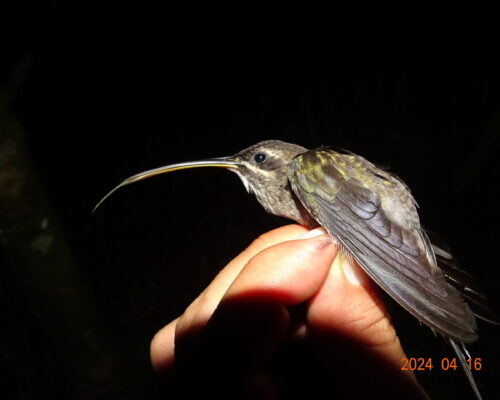
- Scientific name: Phaethornis hispidus
- Common name: White-bearded Hermit or Ermitaño barbiblanco (Spanish)
- Class: Aves, Order: Apodiformes, Family: Trochilidae
- Size: 12 cm
- This species usually gathers to court the females, singing incessant, rapid songs.
- Diet: Nectar from flowers (heliconias). Insects and spiders.
- Where it was spotted: near fruit trees at 5.00 p.m. on April 16, 2024.
- Species Identification: Jefferson García, 2024.
- Source: Ridgely & Greenfliedl, Pag. 292, 2006
- Picture: David Mantilla, 2024
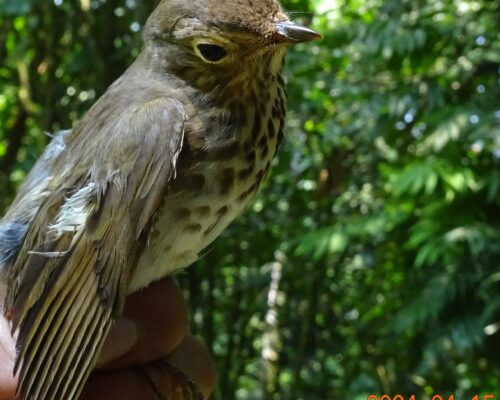
- Scientific name: Catharus ustulatus
- Common name: Swainson´s Thrush or Zorzal de Swainson (Spanish)
- Class: Aves, Order: Passeriformes, Family: Turdidae
- Size: 18 cm
- It is a migratory bird found between October and April. It favours damp, mountainous woodlands. It moves about alone, hopping along the ground or feeding on fruit trees. During its migration, its song is enchanting and melodious.
- Diet: Insects, fruit,berries
- Where it was spotted?: inear the River Llushian at 8:00 am on 15 April 2024.
- Species Identification: Jefferson García, 2024.
- Source: Ridgely & Greenfield, Pag. 618, 2006.
- Picture: David Mantilla, 2024
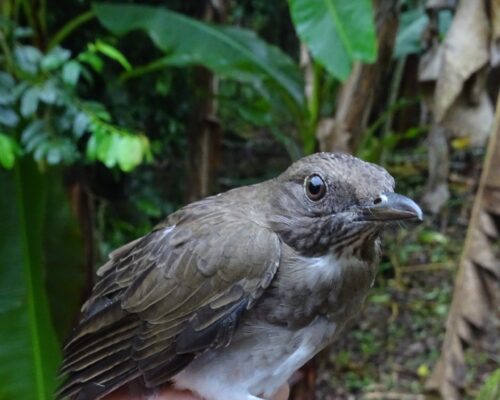
- Scientific name: Turdus Ignobilis
- Common name: Black-billed Thrush or Mirlo Piquinegro (Spanish)
- Class: Aves, Order: Passeriformes, Family: Turdidae
- Size: 22,5 cm
- It is a tree-dwelling species; it forages on the ground and, in certain places, can be very tame. It often wags its tail when it lands. Its song is melodious and pleasant, and is commonly heard in the darkness before dawn.
- Diet: nuts, fruits and insect and other invertebrates like worms
- Where it was spotted?: on the northern edge of the Amazonasschutz rainforest at 9 am on 15 April 2024.
- Species Identification: Jefferson García, 2024.
- Source: Ridgely & Greenfiel, Pag. 621, 2006.
- Picture: David Mantilla, 2024
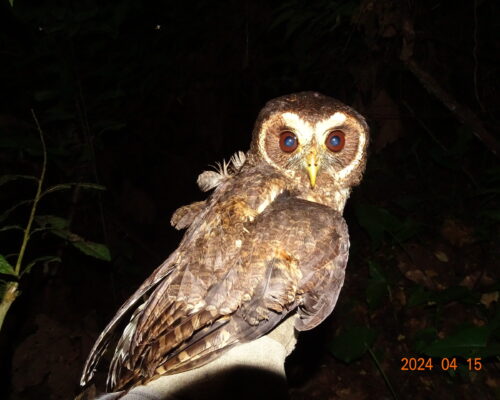
- Scientific name: Strix virgata
- Common name: Mottled Owl or Búho Moteado (Spanish)
- Class: Aves, Order: Strigiformes, Family: Strigidae
- Size: 30,5 cm – 34,5 cm
- This species is strictly nocturnal. It moves about at night in pairs. It perches at various heights, but not very high. During the day, it sleeps among dense foliage, often near the ground, and is unlikely to be spotted. It emits a variety of calls, some of which can be mistaken for a cat’s meow.
- Diet: Insects, small mammals and is one of the few owls that regularly includes bats in its diet.
- Where it was spotted: on the path leading to the Llushian River, at 8.00 pm on 15 August 2024.
- Species Identification: Jefferson García, 2024.
- Source: Ridgely & Greenfield, Pag. 266, 2006.
- Picture: David Mantilla, 2024
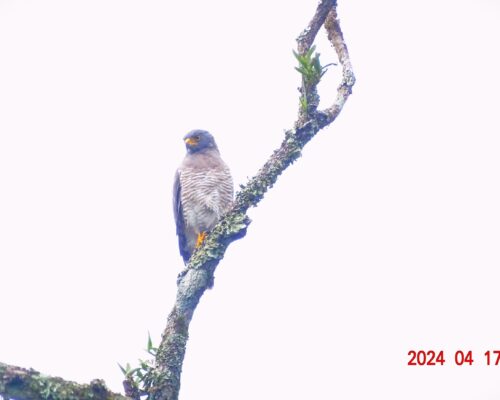
- Scientific name: Rupornis magnirostris
- Common name: Roadside Hawk or Gavilán Campestre (Spanish)
- Class: Aves, Order: Accipitriformes, Family: Accipitridae
- Size: 33 cm – 38 cm
- It has grey plumage, a yellow-orange beak and yellow legs. It likes to stay along rivers. It is a very vocal bird of prey. When it perches, it produces a plaintive, high-pitched, nasal cry.
- Diet: It feeds on insects, mammals, reptiles and small birds
- Where it was spotted: next to the water tanks, at 9.00 am on 17 April 2024.
- Species Identification: Jefferson García, 2024
- Source: Ridgely & Greenfield, Pag 137, 2006.
- Picture: David Mantilla, 2024
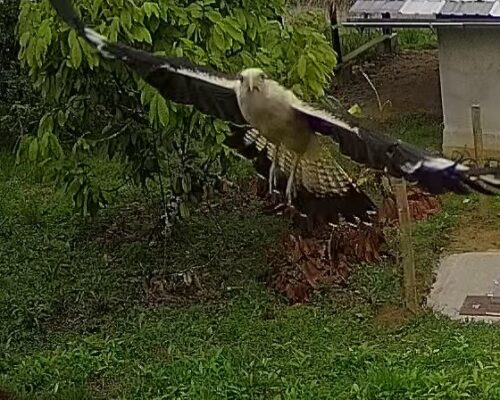
- Scientific name: Daptrius chimachima
- Common name: Yelow-headed Caracara
- Class: Aves, Order: Falconiformes, Family: Falconidae
- Size: 40 cm-45cm
- It inhabits areas with low vegetation, such as grasslands used for livestock grazing and fields used for agriculture. It is more arboreal. It likes to perch on animals, picking ticks off them. It lives alone or in pairs.
- Diet: It feeds on carrion; small vertebrates, arthropods, fruit and vegetables.
- Where it was spotted?: in front of the hut, catching insects at 12.37 pm on 23 January 2023.
- Species Identification: Jefferson García, 2024
- Source: Ridgely & Greenfiel, Pag. 146, 2006.
- Picture: Veronica Sertl, 2023
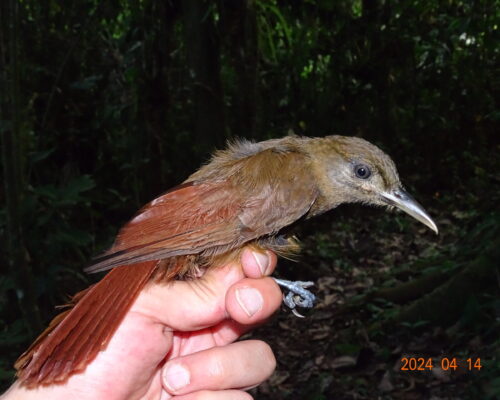
- Scientific name: Dendrocincla fuliginosa
- Common name: Trepatroncos Pardo
- Class: Aves, Order: Passeriformes, Family: Furnariidae
- Size: 19 cm – 21 cm
- It is insectivorous and usually follows soldier ants to catch the insects trying to escape from them. If other ant-eating birds or larger tree-climbers are present, it tends to stay at a higher altitude than those species.
- Diet: Insects
- Where it was spotted?: near the River Llushian at 7 am on 14 April 2024.
- Species Identification: Jefferson García, 2024.
- Source: Ridgely & Greenfiel, Pag. 424, 2026
- Picture: David Mantilla, 2024.
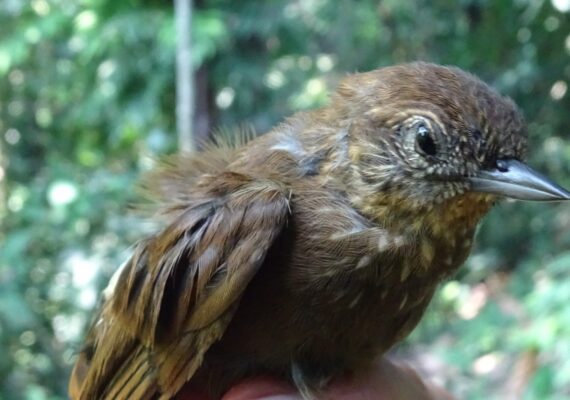
- Scientific name: Glyphorynchus spirurus
- Common name: Wedge-brilled Woodcreeper or Trepatronco Piquicuna (Spanish).
- Class: Aves, Order: Passeriformes, Family: Furnariidae
- Size: 14 cm – 14,5 cm
- Usually found alone, though occasionally in pairs; sometimes seen in mixed undergrowth flocks, foraging by climbing larger tree trunks, generally not on side branches.
- Diet: It feeds on insects by crawling along tree trunks and extracting its prey from the bark. It prefers trees with thin bark.
- Where it was spotted?: in the woods on the banks of the River Llushian at 7.30 am on 16 April 2024.
- Species Identification: Jefferson García, 2024.
- Source: Ridgely & Greenfiel, Pag. 426, 2006.
- Picture: David Mantilla, 2024
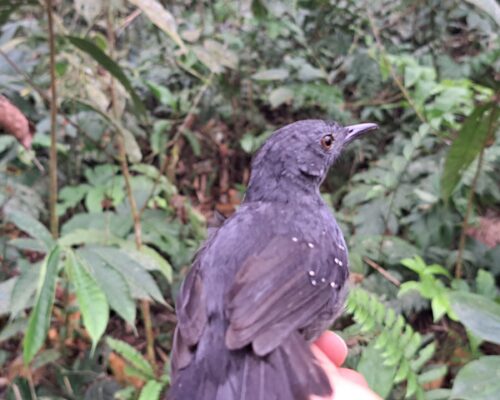
- Scientific name: Myrmoborus leucostigma (currently classified taxonomically as Myrmelastes leucostigma).
- Common name: Spot-winged Antbird or *Hormiguero Alimoteado* (Spanish).
- Class: Aves; Order: Passeriformes; Family: Thamnophilidae.
- Size: 15 cm.
- It is a shy, reclusive antbird of the deep rainforest. It is difficult to spot. It moves in pairs or small groups through the dense undergrowth along rainforest streams. It hops across the forest floor, catching insects directly from the ground or from tree trunks.
- Diet: Insects, spiders, small vertebrates.
- Where it was spotted?: Deep forest near the Llushian River; April 14, 2024, at 3:59 PM.
- Species identification: Jefferson García, 2024.
- Source: Ridgely & Greenfield, p. 467, 2006.
- Picture: Veronica Sertl, 2024.
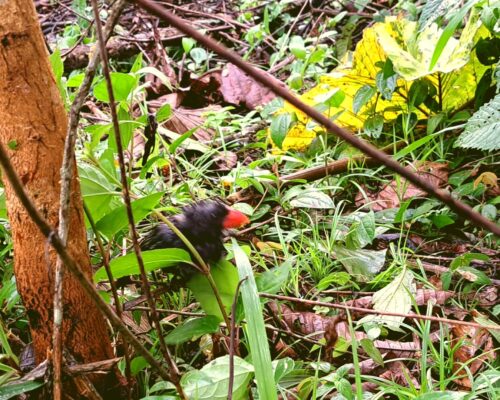
- Scientific name: Saltator grossus
- Common name: Slate-coloured Grosbeak or Picogrueso Piquirrojo (Spanish).
- Class: Aves, Order: Passeriformes, Family: Thraupidae.
- Size: 20cm
- It is easily recognized by its distinctly red beak—a feature not shared by its close relatives. It is typically secretive, lives in pairs, and prefers to stay under cover.
- Diet: insects, seeds, and fruits.
- Where it was spotted?: It was found on the path to the cave at 5:48 p.m. on April 16, 2024.
- Species identification: Jefferson García, 2024.
- Source: Ridgely & Greenfiel, Pag. 715, 2006
- Picture: Veronica Sertl, 2024
